

Acne scars – trauma scars – Restoration

Scars may be caused by various factors, such as acne, injuries from impact, surgical procedures, or in many cases, they may also be congenital marks.
Acne scars
The main factor leading to the formation of acne scars is inflammation. The more severe the inflammation, the higher the likelihood of scar formation.
Acne scars occur as a result of the skin’s attempt to heal itself when acne is not treated promptly and effectively. When a pore or hair follicle becomes filled with sebum, dead skin cells, and bacteria, it swells and the wall may rupture. There are two types of acne scars:
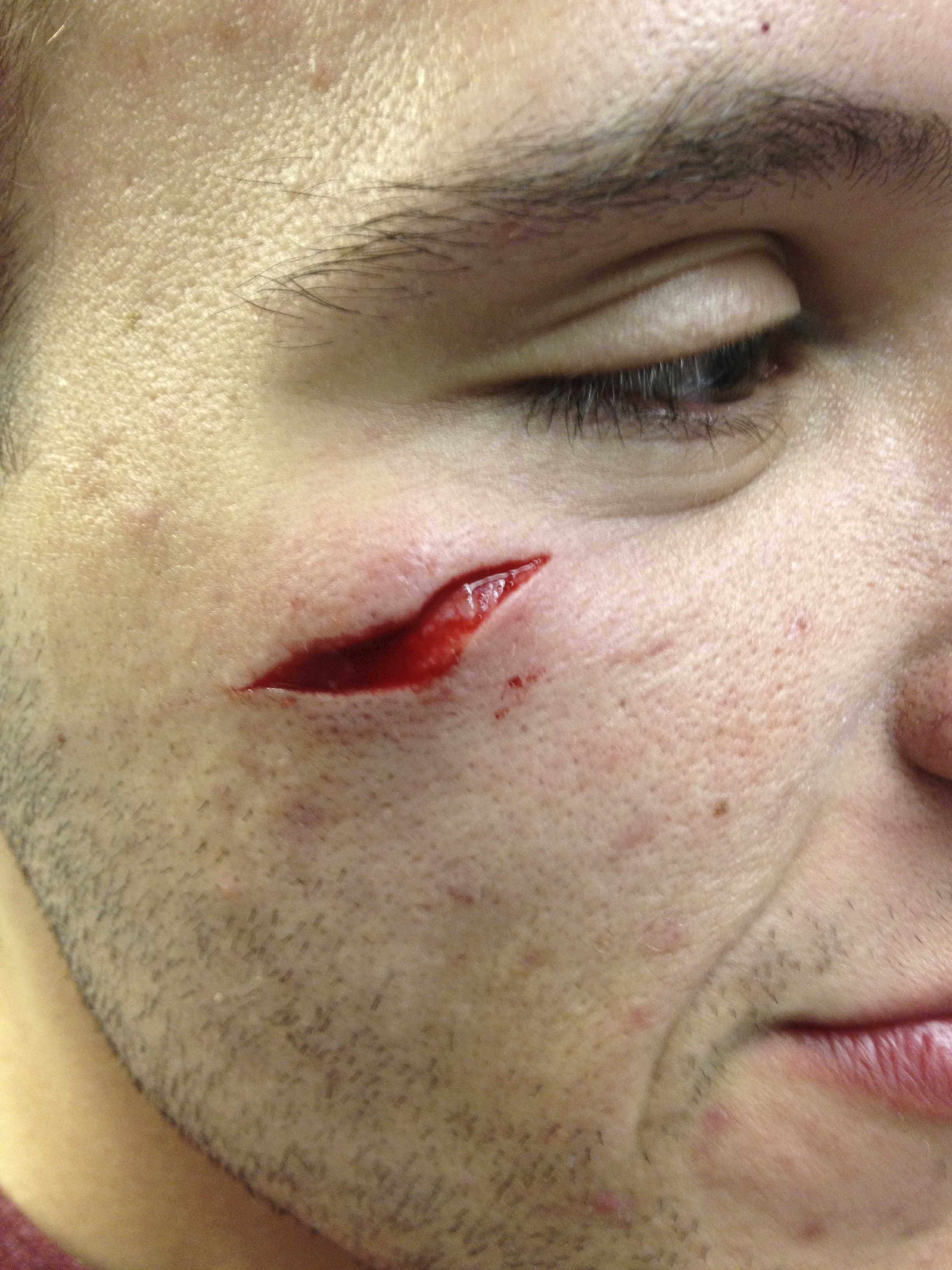
I. Atrophic acne scars, which are the most common, result from inflammation that leads to loss of skin tissue. Atrophic acne scars can be of two types: “ice pick” scars (narrow and deep), which are the most difficult to treat, and “boxcar” scars (wider and depressed).
II. Hypertrophic acne scars: These are formed during the healing process when the body produces an excessive amount of tissue. In order to repair the damage, the skin creates new collagen fibers—a fibrous protein that provides firmness and elasticity. The deposition of this protein within the acne scar disrupts the normal structure of the skin.
If the rupture occurs near the surface of the skin, the marks or scars that remain after healing are minimal. On the contrary, if the rupture occurs deeper, healthy skin is damaged as it fills with inflammatory elements and bacteria, leading to more significant scarring during healing. Excessively hypertrophic acne scars are known as keloids and require specialized treatment using advanced equipment available at the clinic of Plastic Surgeon G. Chorti.
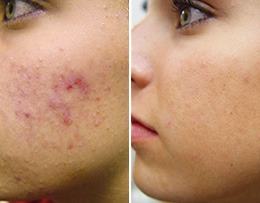
The areas most likely to develop acne scars are the face, back, and chest, and in some cases, they may also appear on the buttocks.
Acne most commonly occurs during adolescence (ages 16–18), but it can also affect children and adults.
The treatment of active acne and scar removal is performed in the clinic using the innovative PLEXR equipment, following a clinical examination and evaluation by the doctor. The same technique can also be used to treat scars resulting from injuries or congenital conditions.