

Ptosis (Drooping Eyelid) – Treatment

Medically, ptosis is defined as a lower-than-normal position of the upper eyelid. The most common cause of eyelid drooping is age, where relaxation of the eyelid or forehead skin—or a combination of both—pushes the eyelid downward.
It can also be caused by weakness or de-innervation of the eyelid muscle.
Ptosis may be acquired, due to injury to the eyelid muscle, or congenital, meaning the eyelid is unable from birth to maintain the correct height. It can also result from a disorder of the eyelid’s nerves. Children with ptosis may develop amblyopia, or a “lazy” eye.
In practice, eyelid drooping occurs because the muscle responsible for lifting the eyelid gradually lengthens and can no longer raise the upper eyelid effectively.
Depending on its severity, eyelid drooping can cause not only a cosmetic concern but also a reduction of the visual field or even complete closure of the eye. To compensate for partial drooping, patients often raise their eyebrows,
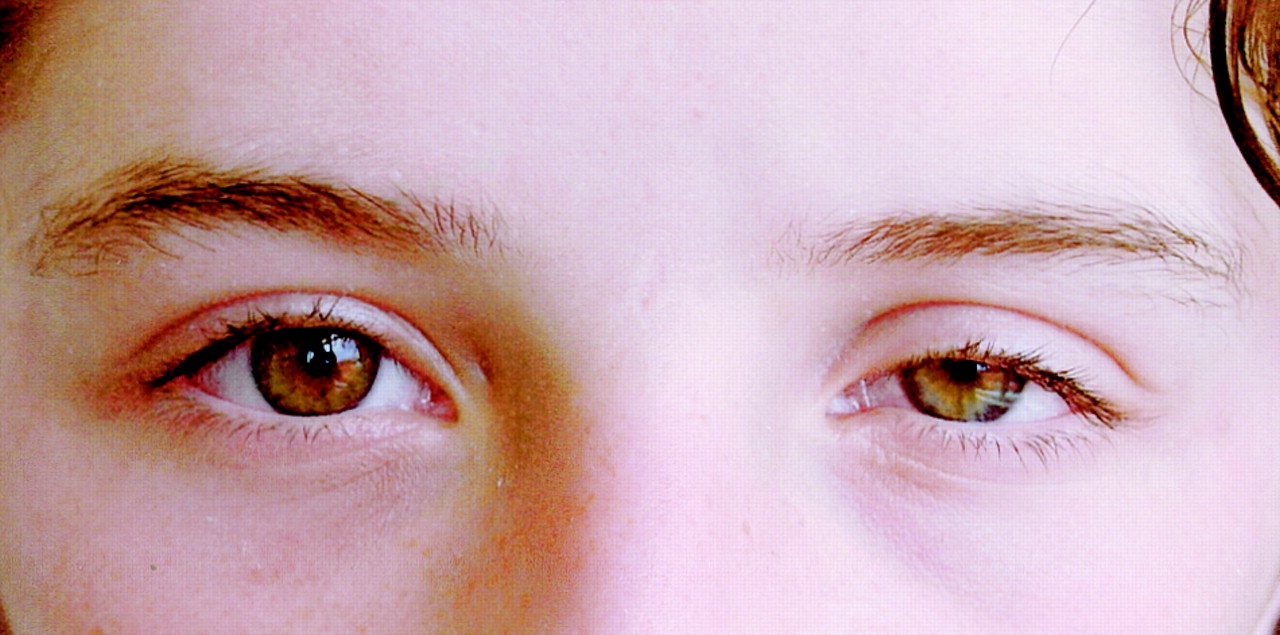
They try to lift their eyelids manually. In severe cases, individuals with ptosis may need to raise their eyelids with their hands in order to see.
Correction of ptosis falls within the expertise of a plastic surgeon. It is achieved through surgical blepharoplasty, which shortens the levator muscle to elevate the position of the upper eyelid.
In very severe ptosis, when the levator muscle is extremely weak, it is attached via a “sling” to the forehead muscles, so that raising the forehead transfers the movement to lift the eyelid.